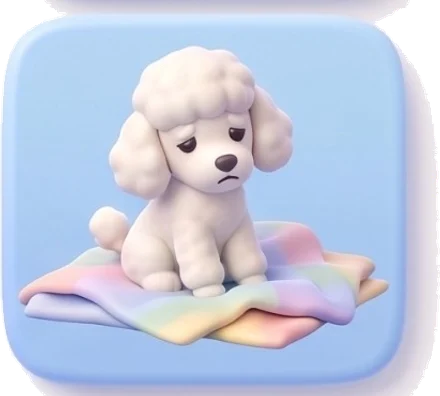
Submissive and Excitement Peeing in Puppies
Why some puppies pee when you greet them or when they feel nervous, how to tell submissive from excitement peeing, and how to help your puppy grow out of it.
Updated September 21, 2026 · By Tiny Builder

Quick answer
Submissive peeing happens when a puppy feels intimidated, often with lowered body, ears back and averted eyes. Excitement peeing happens during happy greetings or play. Both are involuntary and common in puppies, and most grow out of them. Calm, low-key greetings help, and punishment makes them worse.
Few things are as confusing as a puppy who is doing well with house training but still leaves a puddle every time you walk in the door. That is usually not a house training problem at all. It is an emotional one, and it needs a different fix.
Submissive peeing vs excitement peeing
| Submissive peeing | Excitement peeing | |
|---|---|---|
| When | Being approached, reached for, stood over or scolded | Greetings, homecomings, vigorous play or petting |
| Body language | Crouching, ears back, lips pulled back, looking away, rolling over | Wiggly, bouncy, happy, with no signs of fear |
| What it means | “I am no threat.” A normal dog signal | The excitement is more than her bladder can hold |
Both are most common in puppies and young dogs, and both are involuntary. She is not doing it on purpose, and she cannot simply stop.
How to help a puppy who pees when greeted
- Keep greetings calm. Low voice, slow movements, and ignore her for a moment when you first come in.
- Get down to her level. Kneel or crouch rather than standing over her, and turn a little to the side.
- Let her come to you. Do not reach over her head. Pet her chest or under the chin.
- Greet her outside for a while, where a puddle does not matter.
- Take her out first. A quick potty break before visitors or play means less in the tank.
- Build confidence with reward-based training and short, easy wins.
What not to do
- Never punish or scold. It makes a submissive puppy more fearful, and the peeing worse.
- Avoid looming, direct stares and reaching over her head during greetings.
- Do not make a fuss while cleaning up. Just clean with an enzymatic cleaner and move on.
When to see your vet
If the peeing is not tied to greetings or social moments, if she dribbles at rest or while asleep, pees very often, or strains, have your vet check for a medical cause. See why a puppy pees so much. For puddles on furniture, see why a puppy pees on the bed.
Questions people ask
Do puppies grow out of submissive peeing?
Most do. Submissive and excitement peeing are most common in puppies and young dogs, and many grow out of it as they mature and gain better bladder control. Calm handling and confidence building help it fade sooner.
Why does my puppy pee when I come home?
That is usually excitement peeing: the thrill of the greeting is more than her young bladder can handle. Keeping homecomings low-key, and greeting her outside for a while, usually helps.
Should I punish my puppy for submissive peeing?
No. It is involuntary, and scolding makes a submissive puppy more anxious, which makes the peeing worse. Stay calm, clean up without comment, and work on confidence.
How do I know it is not a medical problem?
Submissive and excitement peeing happen at specific moments, like greetings or being reached for. If your puppy dribbles urine at other times, pees very often, or has accidents while asleep, see your vet.
This guide is general information, not veterinary advice. Every puppy is different. If something seems off, like straining, blood, or a sudden change in how often your puppy goes, call your vet.